
Services
Accommodation
Tailored Housing Solutions: Accommodations are chosen or adapted based on individual needs, considering factors such as location, accessibility, and safety.
Transitional Support: The housing provided is designed to transition young people from more supervised settings, such as foster care or residential care, to complete independence.

Support Worker Assistance
Holistic Support Plans: Support workers collaborate with young individuals to create comprehensive support plans that address personal, academic, and professional goals.
Advocacy and Guidance: Support workers may act as advocates, helping young people navigate social services, educational institutions, and employment agencies.

Education and Employment Support
Tailored Educational Plans: Services are customized to assist in accessing appropriate education or training programs, considering each individual’s skills and aspirations.
Job Coaching: Practical support is offered to help young people acquire and maintain employment, including assistance with job applications, interview preparation, and workplace integration.

Life Skills Development
Practical Workshops: Regular workshops are conducted on essential life skills, covering areas such as cooking, cleaning, time management, and self-care.
Simulated Independence: Young people are encouraged to take on responsibilities in a controlled environment to build confidence and competence.

Emotional and Well-being Support
Therapeutic Interventions: In addition to one-on-one counselling, group therapy sessions or workshops may be offered to address specific mental health challenges.
Resilience Building: Programs focusing on building emotional resilience and coping strategies are integrated into the support services.

Healthcare Access
Health Education: Information on maintaining physical and mental health is provided to empower young people to make informed decisions about their well-being.
Assistance with appointments: Support workers help in scheduling and attending medical appointments, ensuring that healthcare needs are met.
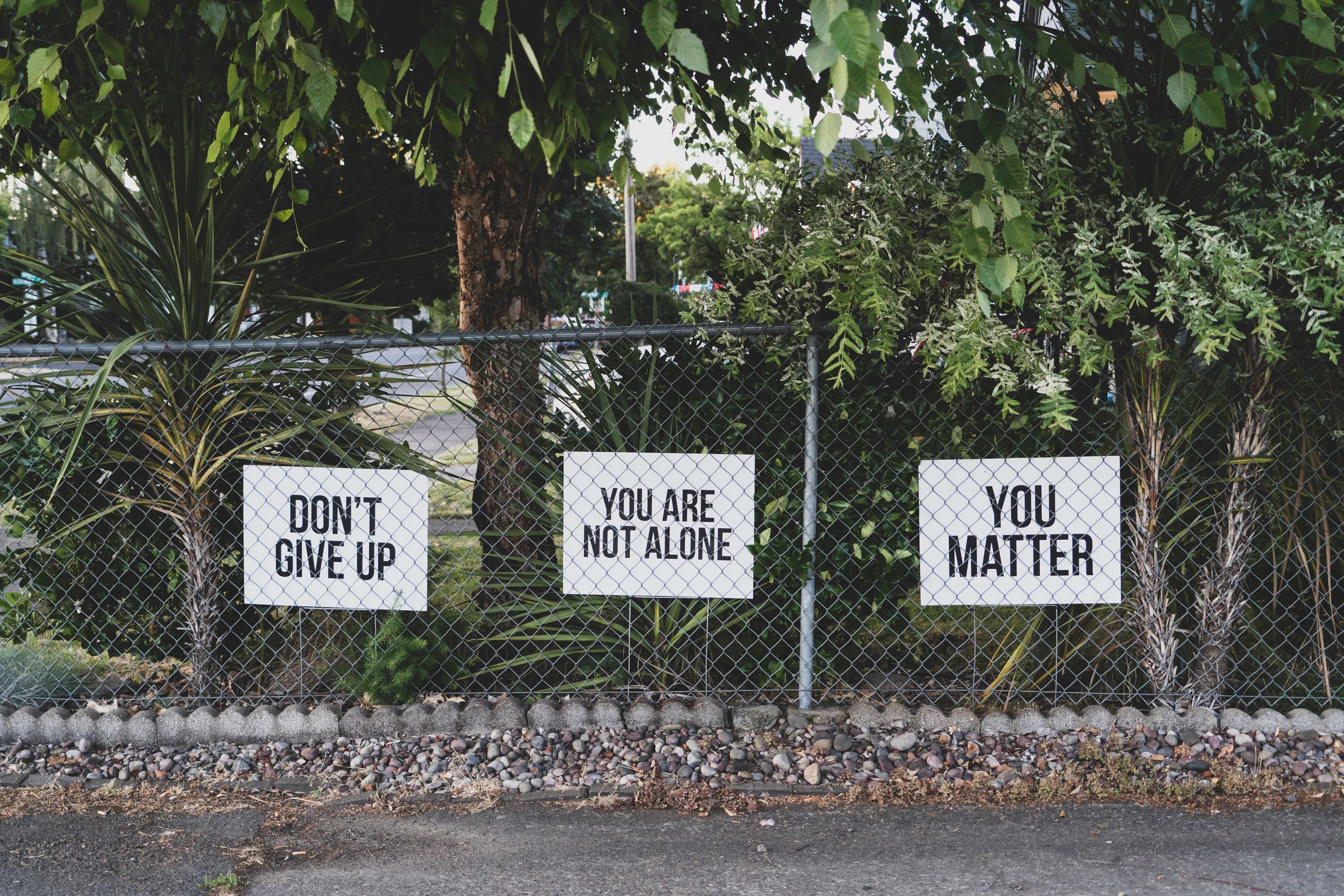
Social Integration
Community Engagement Programs: Social activities, volunteering opportunities, and community events are organized to foster a sense of belonging.
Peer Support Networks: Encouraging the development of positive relationships with peers helps combat social isolation and promotes a supportive social network.

Safety and Security
Emergency Preparedness: Young people are educated on emergency procedures and provided with resources to handle unexpected situations.
Safe Spaces: Ensuring that accommodations are secure and free from potential hazards contributes to the overall safety and well-being of residents.

Independence Planning
Personalized Goal Setting Independence plans are tailored to individual strengths, challenges, and aspirations.
Gradual Transition: The process of transitioning to independent living is gradual, allowing young people to build skills and confidence at their own pace.

24/7 Emergency Support
Crisis Intervention Plans: Well-defined plans are in place to address various emergency scenarios, ensuring that immediate support is available when needed.
Communication Protocols: Clear communication channels are established to facilitate quick response times in emergency situations.

Regular Review and Assessment
Multi-agency Collaboration: Regular reviews involve collaboration with various agencies, including social services, educational institutions, and healthcare providers.
Dynamic Support Plans: Support plans are dynamic and adaptable, evolving as the needs and circumstances of young individuals change over time.

Semi-independent placements aim to provide a comprehensive support system that not only addresses immediate needs but also equips young people with the skills and resources necessary for a successful transition to full independence. The emphasis is on fostering resilience, self-efficacy, and a positive outlook on the future.
Contact Us
Contact us via email at info@home2homeukcare.com